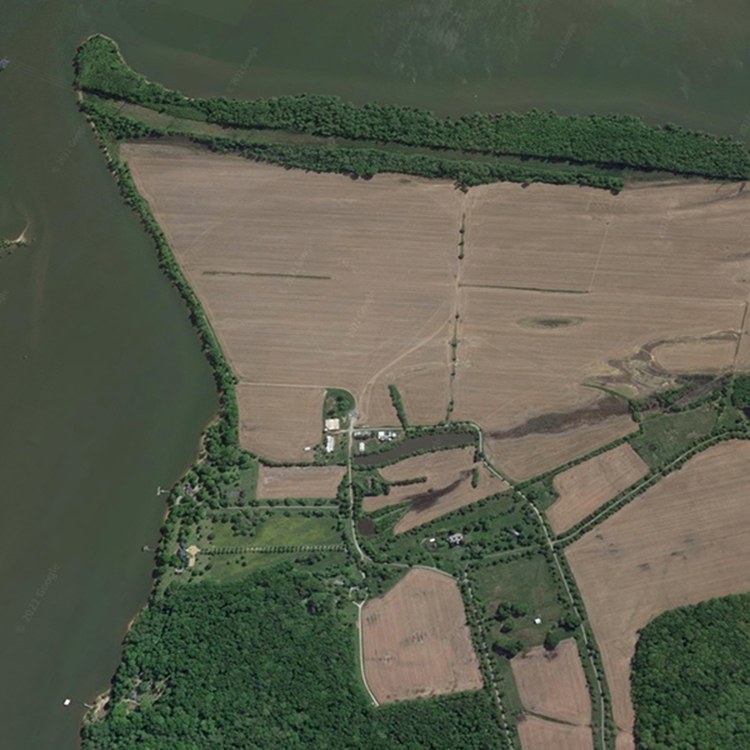
Flowerdew Hundred Plantation
1618

A land grant settlement is established by the Virginia Company of London as authorized by King James I.
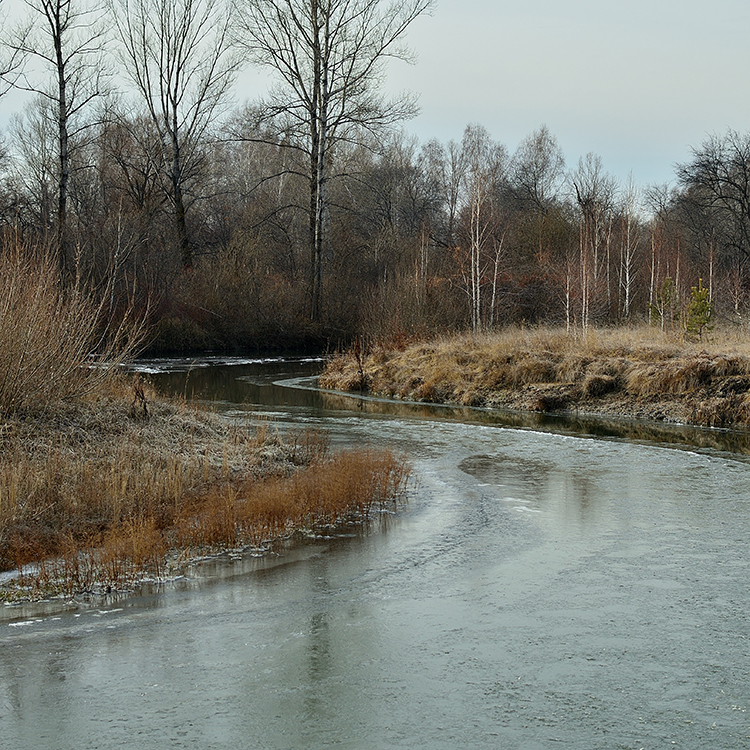
Nestled between the banks of the James River and Flowerdew Hundred Creek and protected by the borders of the James River National Wildlife Refuge this one-of-a-kind property boasts the home of many instrumental people that helped carve the history of our nation and a place of occurrences and activities that changed the way our history books are written today.
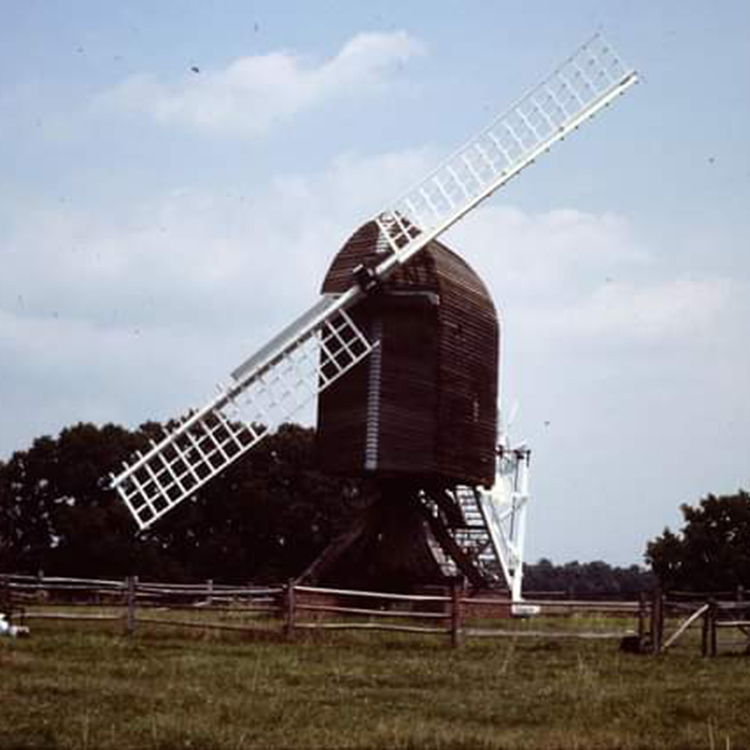
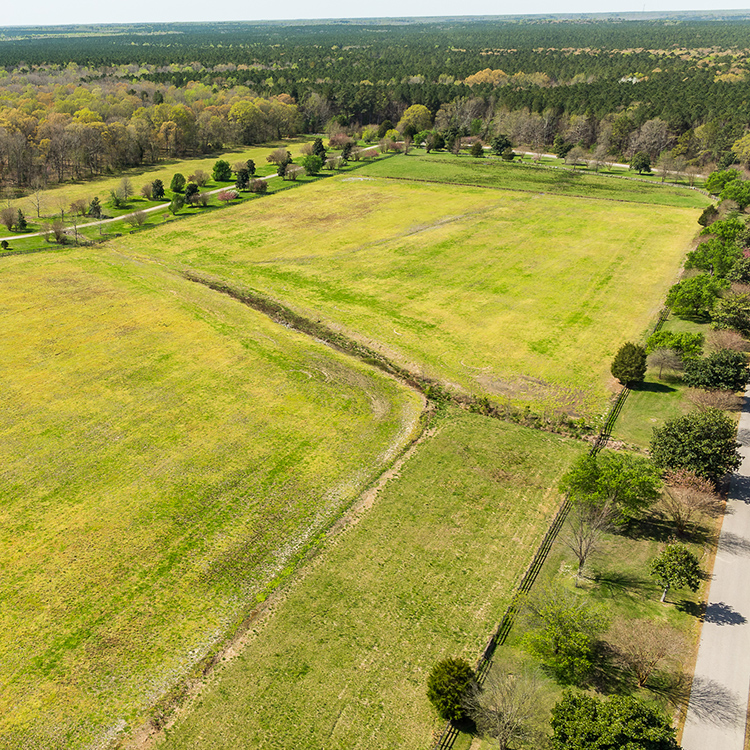
This 1322 acre property is covered with 686 acres of lush cropland irrigated by the James River and lined by 600+ acres of ancient oak trees and Cypress swamps. This property is Home to Virginian Governor Sir George Yeardley who constructed the first recorded windmill in English North America on this property in 1621, hence the property today is commonly referred to as the birthplace of green energy for North America.
One of the hard-fought battles of the 1622 Indian Massacre took place on this property where 22 English colonists that lived in the fort at Windmill Point survived the well-planned attacks of the Powhatan Confederacy led by Chief Opechancanough. During the American Civil War, this property provided resting and a safe haven for some 25,000 troops of General Ulysses S. Grant before Grant attacked Robert E Lee in Petersburg.
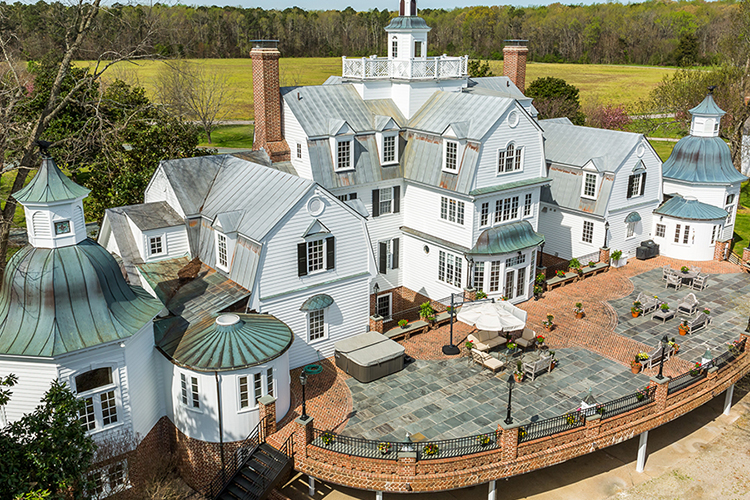
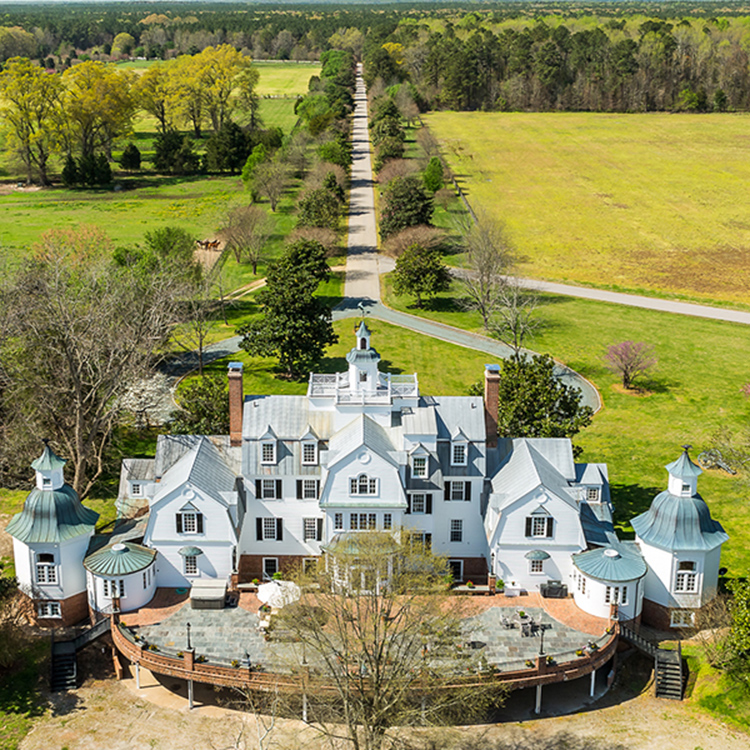
In 1967 this property was acquired by David and Mary Harrison and they built what is known today as the manor house. This property harbors many archeological sites and over 1,100 years of human history. This property, Flowerdew Hundred Plantation, has no comparisons and sets the bar all to itself.
Our ability to honor the property and its history today is largely due to the valiant efforts of David and Mary Harrison. Mr. Harrison’s investment to create the Flowerdew Hundred Foundation gave cause for these magnificent occurrences in time to be studied and shared abroad. Mr. Harrison’s desire for excellence is evident with every detail of the 14,431 square foot Colonial Revival style home completed in 1999 and built over the footprint of the Wilcox House that was torn down in 1955. To the west of the manor house, Mr. Harrison constructed a clapboard-sided kitchen and laundry with slaves quarters upstairs to mimic period design of an early American building. Some 600 feet to the east of the manor house Mr. Harrison constructed a well-appointed 3600 square foot indoor gathering space, perfect for corporate events and weddings, with vaulted ceilings, a four-sided centerpiece fireplace, and beautiful blue stone floors. This property continues today to provide lodging and enjoyment to those that care to experience the amazing history, agriculture, and wildlife of Flowerdew Hundred Plantation.
Please take time to experience the magnificence for yourself and visit the historical Flowerdew Hundred Plantation. Your time at Flowerdew Hundred will be littered with memories that are sure to stand the test of time.
A land grant settlement is established by the Virginia Company of London as authorized by King James I.
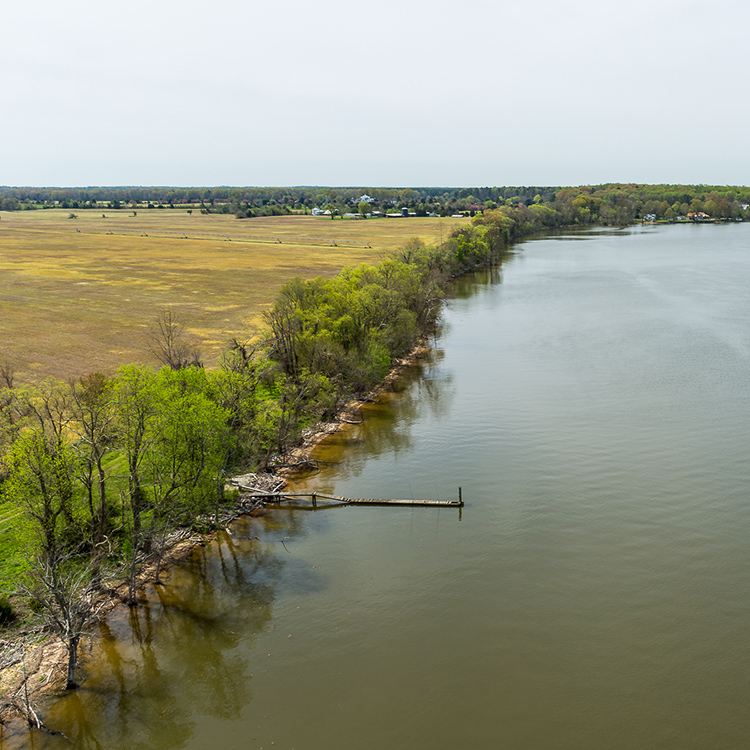
Ferry operated for 80 years at the northern end of the property was shortest route from Petersburg to Williamsburg.
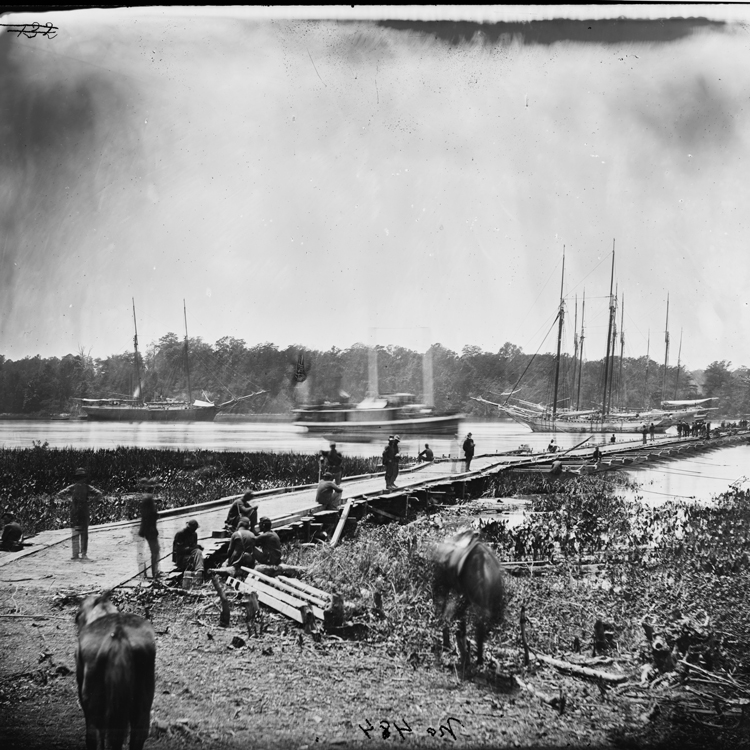
Grants’ troops build a Pontoon Bridge that spans 1,992 feet across the narrowest point of the James River to Flowerdew Hundred.

The property becomes an archaeological district of the National Registry of Historic Places.
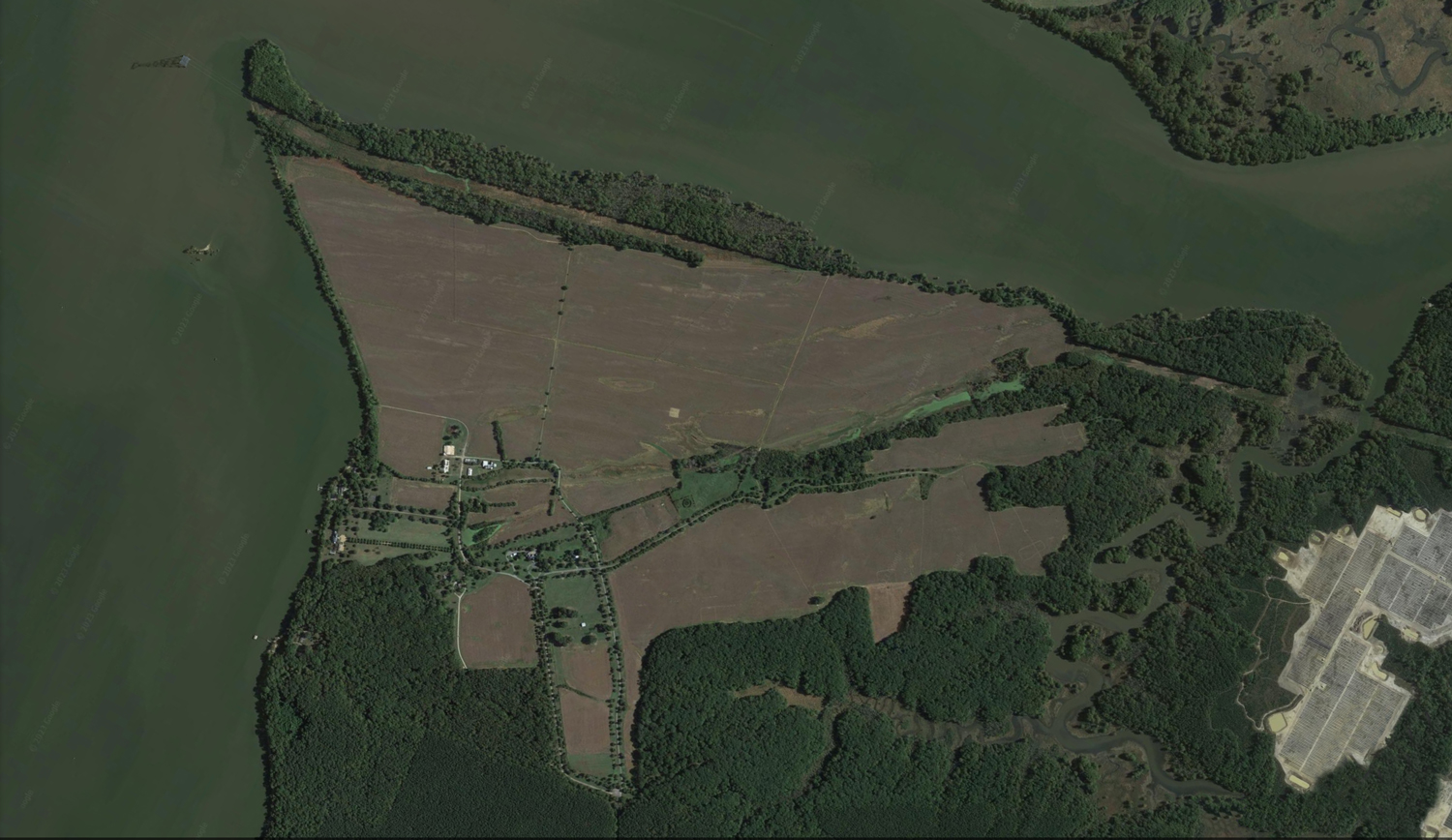
Manor House
Cypress tree that anchored Grant’s Pontoon Bridge
First Post Windmill in English North America
Former “Three Mile Reach” Ferry
Homesite of Sir George Yeardley, Virginia’s first governor. The foundation created by stone mined in England still exists today.
Windmill Point
Waterfowl Impoundments
The James River
Three mile reach of the James River.
Mouth of Flowerdew Hundred Creek
Snow Creek
Snow Creek Bridge
686 acres of irrigated cropland
Farm complex and grainery.
Windmill Point Fort – site of 1622 Indian massacre.
Replica kitchen and laundry quarters
Harrison Pavilion
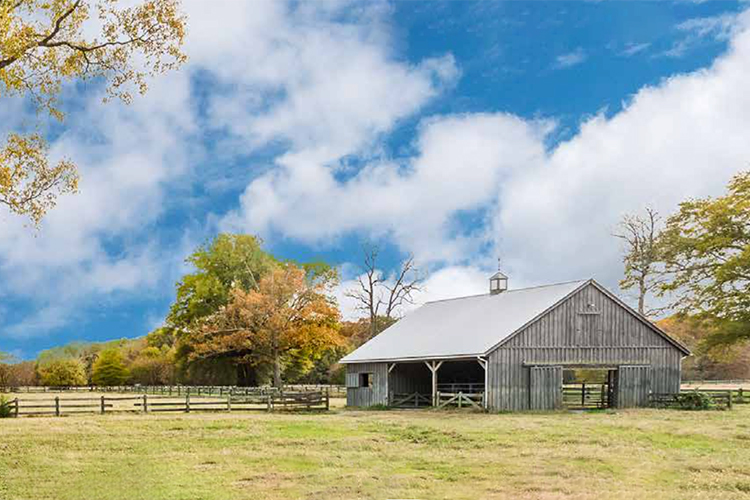
Horse barn
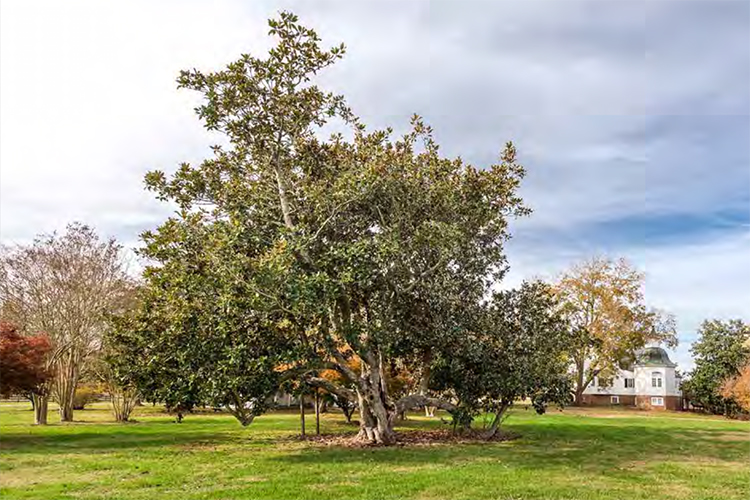
3rd Largest Willow Oak in the state of Virginia.
Belview Plantation